Where Legends Set Sail: Portugal's Pioneering Spirit
The Enigmatic Horizon: Europe's Westernmost Reach
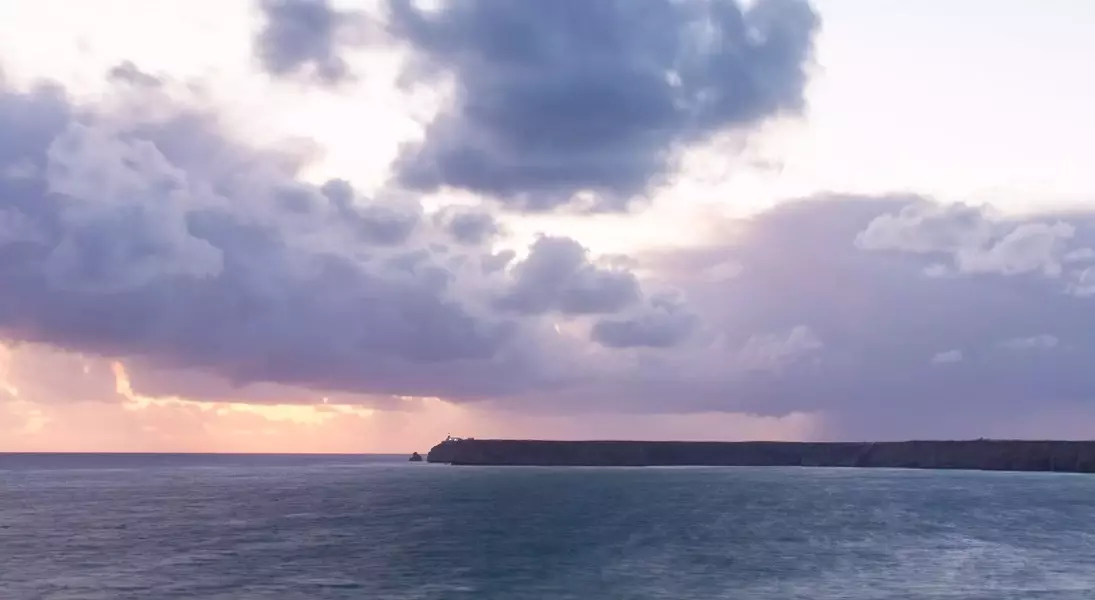
Along the rugged coastline of Portugal, where the land meets the vast expanse of the Atlantic, dramatic sea cliffs plunge into the cerulean waters. Here, ocean swells ceaselessly surge towards the African continent, while seabirds gracefully navigate the strong winds. From these dizzying heights, one can glimpse secluded beaches and mysterious sea caves, remnants of a shoreline sculpted over millennia. For countless centuries, this region bore the evocative title of \"the world's extremity,\" a place of both awe and trepidation.
Unveiling the Unknown: Prince Henry and the Dawn of Exploration
As Europe's most westerly point, this segment of the Algarve coast was traditionally the final terrestrial sight for mariners venturing into the 'Dark Sea,' a realm once imagined to be teeming with monstrous creatures and perilous whirlpools, as described by the Arab geographer Al-Idrisi in the 12th century. This perception began to transform in the early 15th century, driven by Prince Henry the Navigator. From his base in Sagres, at the Algarve's southern tip, Henry championed the advancement of nautical science, effectively debunking these ancient myths and ushering in the groundbreaking Age of Discovery.
The Navigator's Genesis: From Royal Birth to Maritime Vision
Born in 1394 to King John I of Portugal, Henry arrived at a time when his nation had yet to achieve its future naval dominance. His military prowess was evident early on, earning him knighthood at 21 for his role in a daring naval campaign in North Africa. Subsequently, he assumed leadership of the formidable Order of Christ. Deeply drawn to the sea, Henry strategically reallocated significant resources from the Order's budget, originally designated for religious conflicts, to fund his ambitious seafaring academy in Sagres.
Algarve's Crucial Role: A Cradle for Nautical Innovation
Despite Sagres' proximity to the tempestuous Atlantic, the Algarve coastline extending a hundred miles eastward, encompassing towns like Albufeira, Portimão, and Lagos before reaching the Spanish border, offered a sheltered environment. This natural sanctuary, protected from the prevailing northerly winds, proved ideal for the testing and refinement of new ship designs. It also served as a training ground for novice sailors and a select group of skilled captains who immersed themselves in disciplines such as celestial navigation, meteorology, oceanography, and marine biology, all essential for the era of exploration.
Tracing Historic Routes: A Family's Modern-Day Expedition
Driven by a shared passion for sailing, our family embarked on a pilgrimage to this historically significant site, aiming to retrace Prince Henry's influence across the Algarve. Our adventure commenced in the vibrant coastal city of Lagos, a place synonymous with the legendary voyages of Henry's most renowned captains. From here, explorers like Bartolomeu Dias, who charted the southwestern African coast, Vasco da Gama, who rounded the Cape of Good Hope and reached India, and Diogo de Teive, who journeyed to Newfoundland, set forth into uncharted waters. Their pioneering expeditions occurred years before Christopher Columbus's famed voyage to the Americas, underscoring Portugal's pivotal role in global maritime exploration